
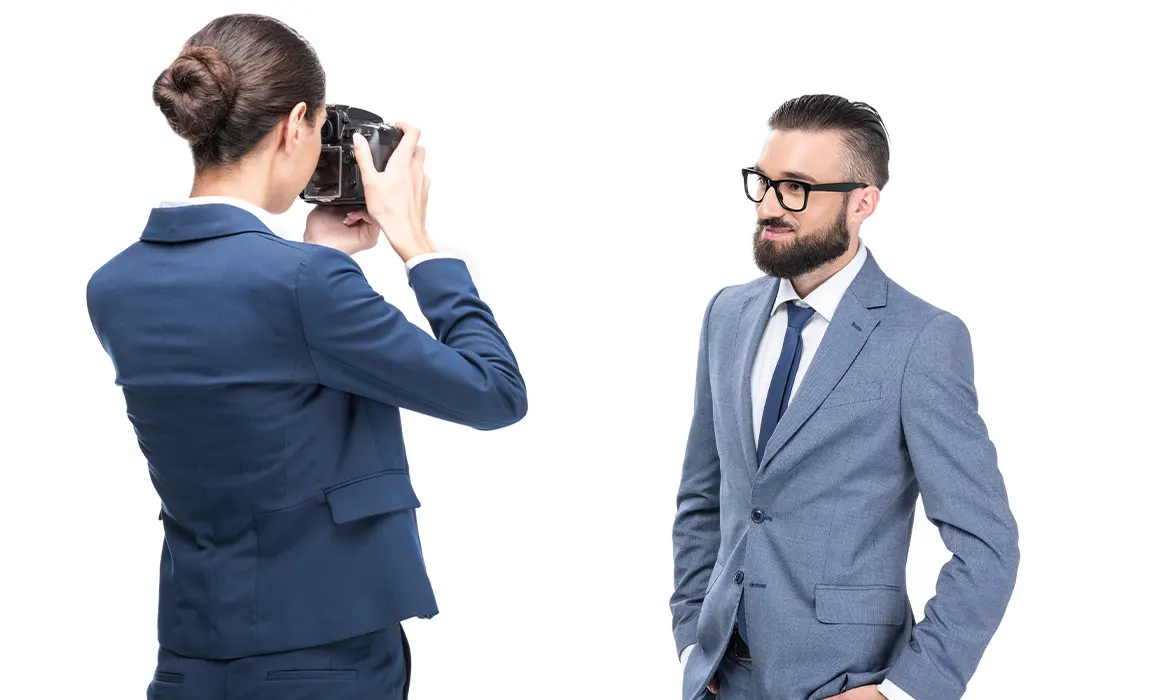
A professional headshot is often the first photo someone sees when they look you up online. It may appear on your LinkedIn profile, your company website, a conference speaker page, or even in your email signature. People form an opinion within a few seconds, so it’s worth arriving prepared. A little planning before your session usually leads to photographs you’ll feel comfortable using for years.
Many people spend time choosing a photographer but give very little thought to preparing for the session itself. A few simple steps before your shoot can make a noticeable difference in how your photographs turn out. You’ll feel more relaxed, look more confident, and spend less time worrying about small details during the shoot. With that in mind, here’s how to prepare for a professional headshot session.
Know Where Your Headshot Will Be Used
Before you think about clothing or hairstyles, think about where the photo will appear. That answer shapes the entire session.
A corporate headshot for your company’s website usually calls for a polished and professional appearance. A LinkedIn profile photo may have a slightly more approachable style. Someone building a personal brand might prefer a modern portrait with a little more personality.
Tell your photographer how you plan to use the images. If you need photographs for several purposes, mention that before the session begins. They can adjust the background, lighting, composition, and poses to create a variety of looks without rushing the session.
Choose Clothing That Reflects Your Profession
Your clothing should support your professional image rather than distract from your face.
Plain colours usually photograph well because they draw attention to you, not your outfit. Navy, white, grey and black are reliable choices for most industries. If you’re unsure what to wear, bring another option. Seeing both outfits under the studio lighting often makes the decision much easier.
Large logos, bold graphics, and busy patterns often distract from the photograph. They can also date your images more quickly. Simple clothing generally gives your headshots a longer lifespan.
If you have room in your schedule, bring a second outfit. Changing your jacket or shirt can give you two different looks within the same appointment. Many professionals appreciate having one formal image and another that feels slightly more relaxed for social media or speaking engagements.
Prepare Your Hair and Grooming in Advance
Avoid making major changes on the day of your session. If you’re planning a haircut, beard trim, or hair colour appointment, schedule it several days before your headshot. That gives you time to settle into the new look and makes everything appear more natural in photographs.
Clean, pressed clothing also matters. A wrinkle across a shirt or jacket can become surprisingly noticeable in high-resolution images.
If you wear glasses, clean the lenses before you arrive. If you normally wear makeup, choose the style you would wear to an important meeting rather than a special event. The goal is consistency. People should recognise you when they meet you in person.
Get Enough Rest Before Your Appointment
Good photographs start long before the camera comes out. Try to get a full night’s sleep before your session. Drink water throughout the day and avoid arriving hungry. These simple habits help you look more refreshed and stay comfortable during the shoot.
Leave enough time to reach the location without rushing. Walking into the studio feeling stressed often means taking longer to recover than most people expect.
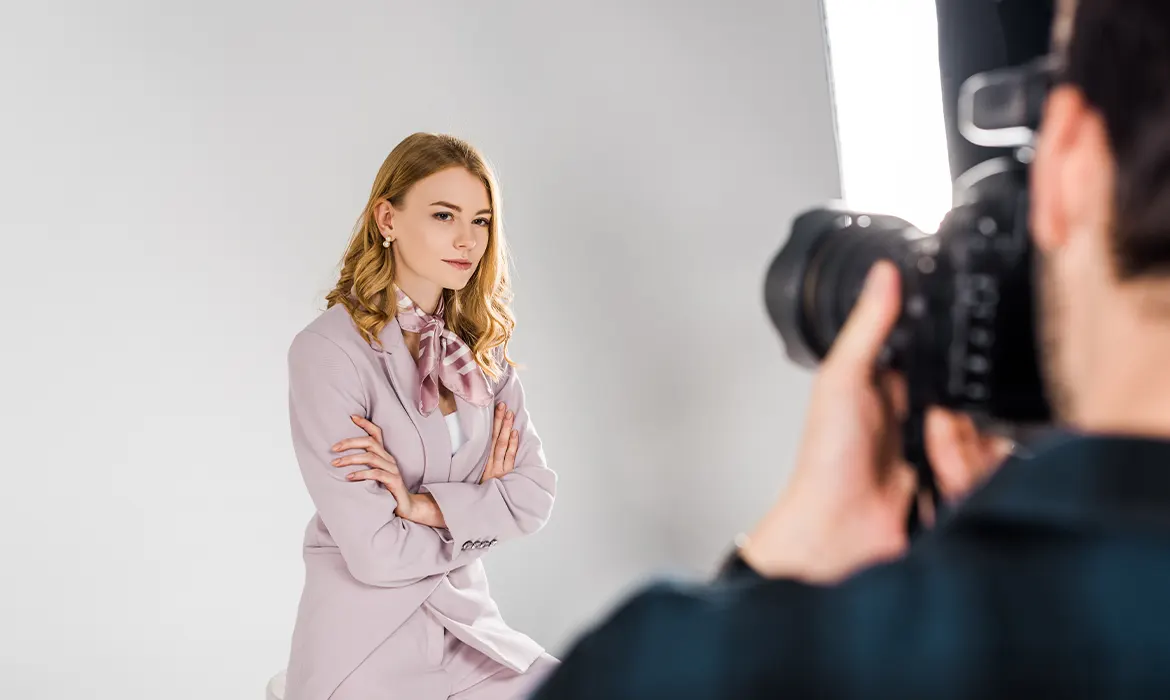
Practise a Natural Expression
You don’t need to memorise poses before your appointment. Many photographers guide clients through the session, suggesting small adjustments to posture, head position, and facial expression along the way. Expect them to help you look your best.
If you feel nervous in front of the camera, spend a few minutes looking at yourself in a mirror before the session. Notice the smile that feels comfortable, not forced. Small changes usually create more genuine expressions than exaggerated smiles.
Stand naturally instead of trying to hold a perfect pose. Keep your shoulders loose and your chin in a comfortable position. Small adjustments during the session usually look better than forcing yourself into a certain position. Your photographer will guide you if something needs changing.
Bring a Few Useful Items
A small bag with a few essentials can save time during your appointment.
You might want to bring:
- A second shirt or blazer
- A hairbrush or comb
- Makeup for quick touch-ups
- A lint roller
- Lip balm
- Water
If you regularly wear glasses, bring them even if you aren’t sure you’ll use them. Having the option gives you more variety when selecting your final images.
What Happens During the Session
Many people expect a headshot session to feel awkward. Most are surprised by how relaxed it becomes after the first few minutes.
Your photographer will usually adjust the lighting, help you find comfortable poses, and take multiple photographs with small changes between each frame. Expect to turn slightly, lower your chin, or shift your shoulders by a few centimetres. Those adjustments often create a stronger portrait without making you feel unnatural.
Sessions move at a comfortable pace. Expect time to review your images, change outfits if needed, and try different expressions before everything wraps up.
Common Mistakes to Avoid
Small mistakes can affect the final result more than people realise.
Avoid trying a completely new hairstyle on the day of your appointment. Skip clothing with large logos or distracting prints. Make sure your clothes are clean and pressed before you leave home.
Arriving late also adds unnecessary pressure. When you have enough time to settle in, you’ll feel more comfortable from the first photograph.
Don’t judge the session after the first few photos. Expect many images, because your expression changes from one frame to the next.
A slight smile, a different angle, or a small change in posture can produce a completely different photograph. That’s why the best image often appears later in the session, not at the beginning.
Final thoughts
Preparing for a professional headshot doesn’t take much time, but it does improve the overall experience. Choosing the right clothing, getting enough rest, and arriving with a clear idea of how you’ll use the photographs help create stronger results.
A professional headshot often stays with you for several years, so a little preparation helps you leave the session with images that represent you well wherever you’re found.