
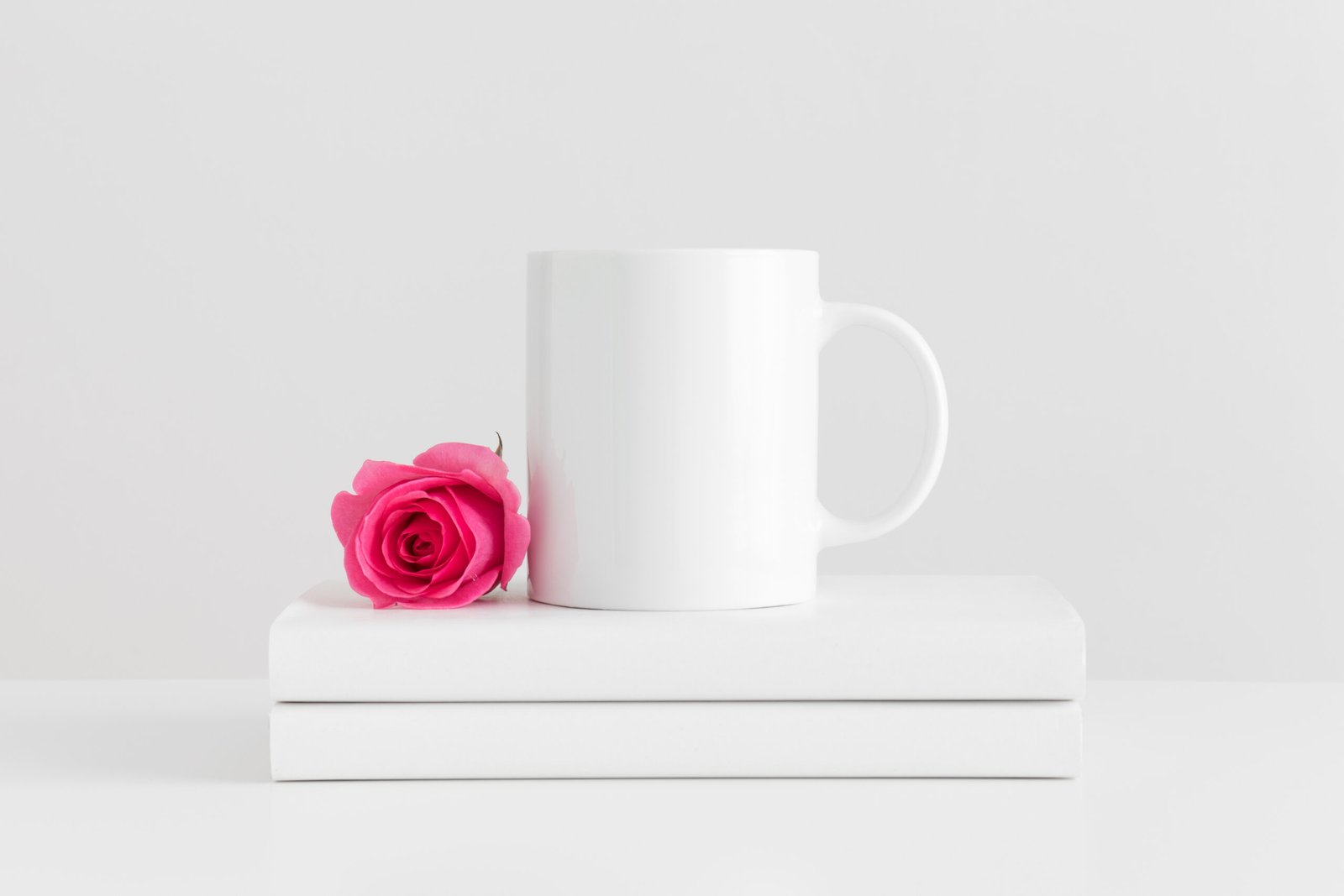
Customers can’t pick up a product, turn it around, or feel it before ordering online. Photos must provide the information you would normally get from seeing it in person.
White background photos show the product clearly, while lifestyle photos show it in a setting where it may be used. Each has a different role in helping customers decide what to buy.
The better choice depends on the product, the platform and what the photograph needs to communicate.
What Is White Background Product Photography?
White background photography presents the product on its own, without props or a surrounding scene. The lighting, camera angle, and editing are controlled so its colour, shape, finish, and packaging are clearly visible.
This style is widely used for ecommerce listings, online catalogues and marketplace pages. When every item follows the same framing and background, customers can move through a collection without distractions from style changes.
A simple background doesn’t mean the shoot itself is simple. Reflective packaging, transparent materials, pale products and detailed surfaces all require careful lighting. The final image should look clean while still showing the item’s true form and texture.
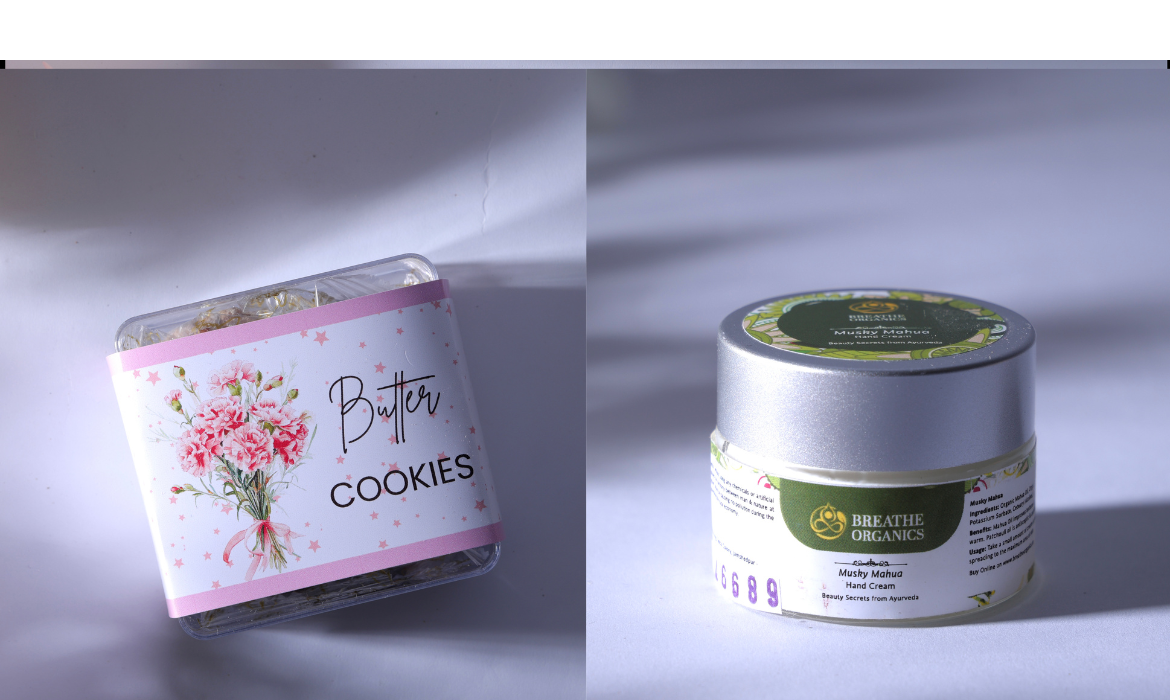
Why White Background Images Work Well Online
Clarity is their biggest advantage. Customers can immediately identify what is being sold and inspect the features that matter to them. This is particularly useful when several similar products appear together on a collection page.
Consistent presentation also helps a catalogue feel organised. A skincare range, for example, looks easier to compare when every bottle is photographed from the same position and at a similar scale.
White background photographs can also be adapted for different uses. Designers can place them in brochures, advertisements, banners, and promotional graphics without first removing a complicated setting.
For some marketplaces, this style is required, not optional. Amazon requires the main product image to use a pure white background. You can still add lifestyle photos to the rest of the gallery, but they cannot replace the compliant main image.
Where White Background Photography Falls Short
An isolated image shows what the product looks like, but it may not explain how it fits into everyday life.
A customer viewing a lamp against a white background can examine its design, but may still struggle to imagine its size in a room. A close photograph of a handbag can show the material and stitching without revealing how large it looks when carried.
On social media and in advertising, a product shown on its own may be easy to overlook. Placing it in a setting gives people more to notice and shows where the product belongs.
These limitations do not make white background photography ineffective. They show why one type of photograph may not answer every customer question.

What Does Lifestyle Product Photography Add?
Lifestyle product photography places the item in a setting where it might normally be seen or used. This could mean photographing furniture inside a finished room, skincare beside a bathroom mirror or sportswear on someone exercising outdoors.
The setting gives the customer useful context. It can show scale, suggest how the product is used and help the viewer picture owning it. Instead of presenting a coffee machine as an isolated appliance, a lifestyle image might show it on a kitchen counter with a cup ready beside it.
This style can also communicate a brand’s personality. The choice of location, colours, props and models can make a product feel premium, practical, playful or suited to a particular audience.
Lifestyle photographs are especially useful for website banners, social media, digital advertisements and secondary product-page images. These are places where mood and recognition can matter as much as technical detail.
Does Lifestyle Photography Convert Better?
No single answer applies to every product or sales channel.
Lifestyle photographs can make a product more desirable, but they can also hide details if the setting becomes too busy. A customer may enjoy the overall image without clearly seeing the packaging, colour or exact item included in the purchase.
White background photographs remove that confusion, but relying on them alone can leave other questions unanswered. Customers may know exactly what the product looks like without understanding its size, purpose or place in their lives.
The main image on a marketplace or product grid usually needs to be direct and easy to recognise at a small size. A white or plain background is often the stronger choice there. Once the customer opens the product page, lifestyle photographs can provide the context needed to move the decision forward.
The question, then, is not which style always converts better. It is which image will be most useful at that particular point in the buying process.

The Product Category Can Change the Choice
Different products create different questions, so the image mix should change with them.
Jewellery needs close, accurate photographs of the design and finish. It also benefits from images showing the piece being worn, since these establish scale and show how it sits on the body.
Skincare products need clear photographs of the bottle, label and packaging. Lifestyle scenes and texture shots can then show how the product is applied and where it fits within a routine.
Furniture needs clean views from more than one angle, but a room setting is equally important. Without surrounding objects, it can be difficult to judge proportion or understand how the piece works with other furniture.
Food packaging should be easy to read in the main listing photos, while serving shots can show how the product might look on the table. For electronics, include the controls, ports, and accessories, along with photos of the product in use.
The right combination should address the questions customers are most likely to have before purchasing.
How to Plan a Stronger Product Image Gallery
A useful product gallery takes the customer from recognition to closer inspection and then into real-life context.
Start with a clear photograph of the whole product. Add another angle and a close-up of any details customers may want to inspect. You can then include a photo of the product in use or in a suitable setting.
The remaining photographs can establish scale, show different colours, display the packaging, or explain what is included. The exact order can change, but every image should contribute something new.
A practical gallery may include:
- A clean main product photograph
- Front, side or alternative angles
- A close-up of an important detail
- The product in a relevant setting
- A scale or in-use photograph
- Packaging, variations or included items
Repeating the same view with small styling changes adds little. Use each available image to remove a different source of uncertainty.
Choosing the Right Image
White background and lifestyle product photography are not competing solutions. They perform different jobs within the same sales journey.
Clean images make products easier to recognise, inspect and compare. Lifestyle photographs show how those products look, feel and function beyond the listing. When you plan both styles together, customers get a clearer, more complete picture of what they are considering.
Before arranging a product shoot, decide where the images will appear and what buyers need to know. That makes it easier to choose the right backgrounds, angles, and settings for the photographs your business actually needs.