
An event moves quickly. One moment, guests arrive and find their seats. Soon after, speakers take the stage, introductions are made, and conversations fill the room. By the end of the day, much of what happened may already feel like a blur.
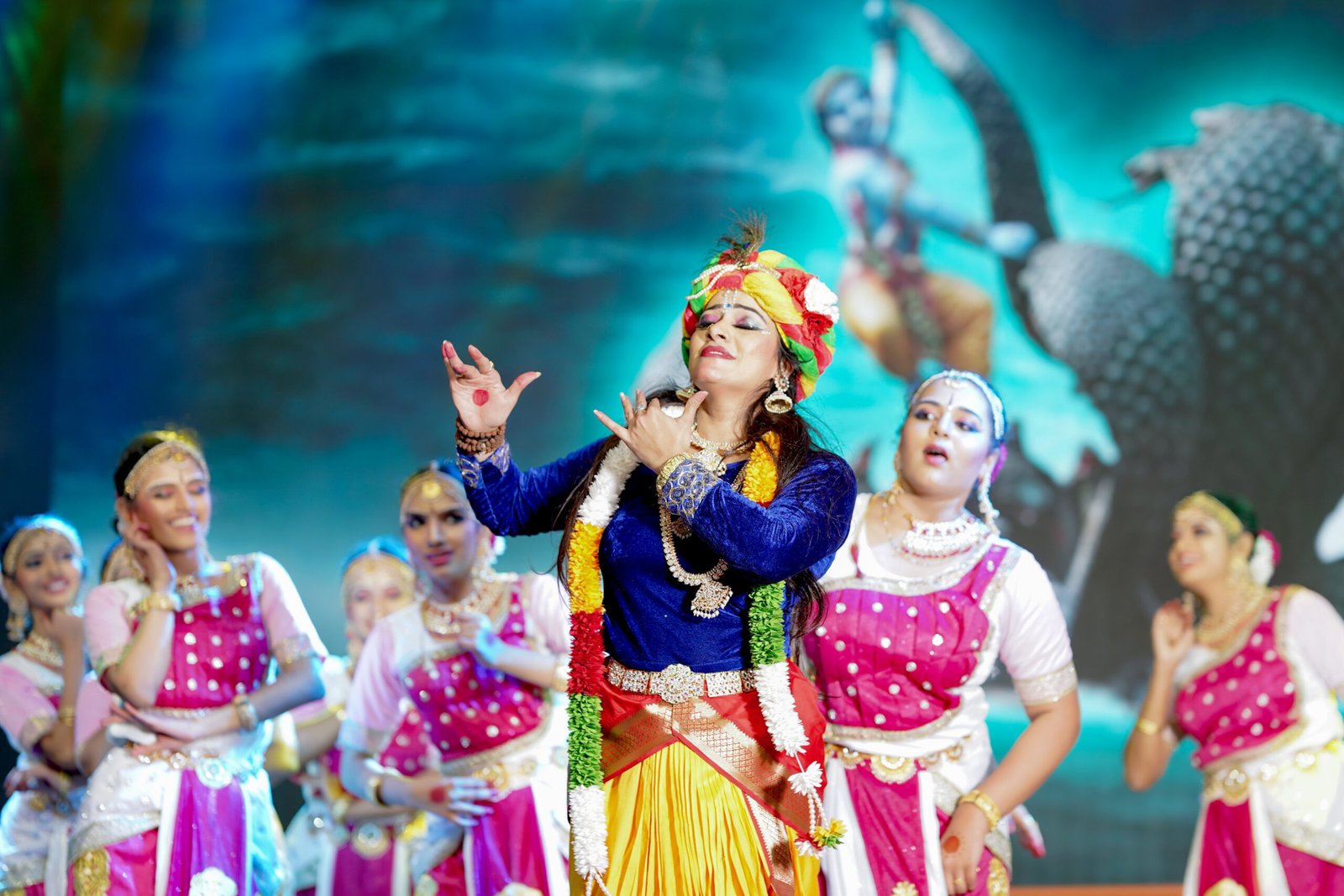
Photographs give people something to return to. They preserve the expressions, details and interactions that would otherwise be remembered only by those who happened to notice them.
For a business, those images also have work to do. They may appear on the company website, in a press release, across social media or in the promotion of the next event. The quality of the photography influences how people who were not there understand the occasion.
The Audience Is No Longer Limited to the Guest List
The people inside the venue are only one part of an event’s audience. Photographs often reach customers, employees, investors, journalists and potential partners who did not attend.
A conference in Dubai may be covered on LinkedIn. A product launch there could send images to the media. A hotel in Dubai might use photographs from a private dinner to promote its event spaces. Even an internal company gathering in Dubai may later appear in a recruitment campaign or annual report.
In many cases, these pictures are the only part of the event that the wider public will see. If the coverage feels incomplete or poorly presented, the event may appear less organised than it actually was. Strong photographs provide a more accurate view of the time and care that went into it.
A Photographer Notices What People Cannot
Event organisers rarely have time to watch everything happening in the room. They may be checking the programme, helping a speaker, speaking with guests or dealing with a last-minute change behind the scenes.
Meanwhile, many of the best moments happen away from the main schedule.
It could be a guest laughing during a conversation, a speaker taking a quiet breath before walking onto the stage or a family member reacting during a celebration. These moments are easy to miss because they are brief and rarely announced.
An experienced event photographer looks for them while still covering the expected photographs. That means capturing the stage, branding, and group portraits, while also paying attention to what is happening around them.
The finished gallery then feels more complete. It shows both what took place and what it felt like to be there.
Good Coverage Begins Before the Event Starts
Turning up with a camera is only one part of the work. Before the event, the photographer needs to understand the schedule, venue, and the photos that matter most to the organiser.
At a corporate conference, the priorities may include speakers, sponsors, branded displays and audience participation. At a birthday celebration, the focus may shift to family groups, decorations, and personal reactions. A product launch may require close-up product details as well as wider photographs showing the scale of the occasion.
Knowing these priorities in advance helps the photographer work with purpose. It also reduces the chance of an important person, detail or part of the programme being overlooked.
The schedule does not need to be followed rigidly. Events change. Speakers run late, guests move between rooms, and lighting conditions shift throughout the day. Preparation gives the photographer a clear starting point while leaving enough room to respond to what actually happens.
Not Every Photograph Should Be Posed
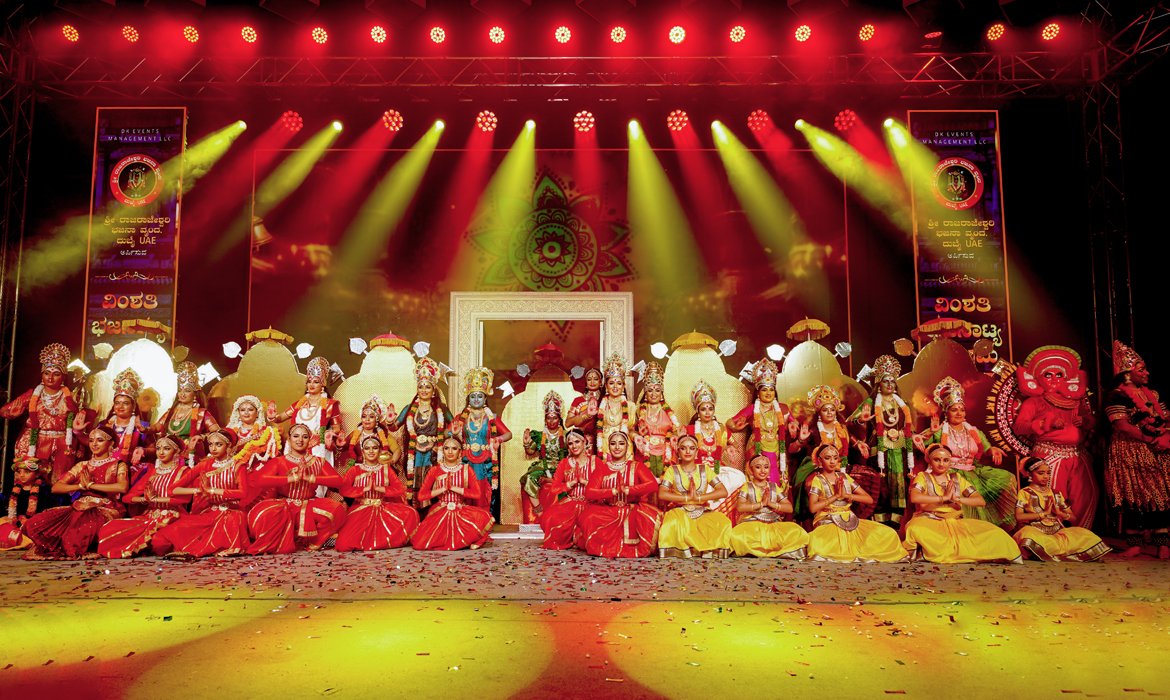
Group photographs still have an important place in event coverage. They provide a clear record of speakers, teams, families, sponsors and guests. However, an entire gallery of people standing in rows rarely captures the character of the occasion.
Natural candid photographs add the missing context.
A wide image can show the venue’s scale. A close photograph of a table setting can preserve the work that went into the design. Audience reactions reveal whether a speech held people’s attention. Photographs of guests talking and moving around the space make the event appear active rather than staged.
The strongest galleries usually balance both. Posed photographs include the people who need to be included, while candid images bring back the atmosphere.
Different Events Come With Their Own Demands
Different events take place in hotel ballrooms, offices, exhibition halls, restaurants, private homes and outdoor venues. Each setting creates different practical challenges.
A ballroom may have low ambient light combined with bright stage screens. An exhibition stand can become crowded within minutes. Outdoor events may begin in strong sunlight and continue after dark. Branded backdrops, reflective surfaces and changing coloured lights can also affect how photographs look.
These conditions are manageable, but they require more than automatic camera settings. The photographer must adjust quickly without interrupting the event or drawing unnecessary attention.
Presentation expectations are also high in these settings. Companies often invest heavily in the venue, staging, décor and guest experience. The photographs should show that work clearly without making the occasion look artificial or excessively edited.
A Consistent Gallery Is More Useful Than a Few Good Images
Most events will produce one or two obvious standout photographs. The harder task is maintaining a reliable standard across the full collection.
A useful gallery needs clear photographs of different parts of the event. Skin tones should look natural. Branding should be readable where possible. Indoor images should not appear dark or heavily coloured by venue lighting. Photographs taken at different times should still feel as though they belong together.
Consistency matters because organisations rarely use only one image. They may need a wide photograph for a website banner, a vertical frame for Instagram, a clean speaker portrait for LinkedIn and several candid photographs for an internal update.
Event Photographs Continue Working After the Venue Closes
The immediate use of event photographs is usually obvious. They are shared with guests, posted online or added to a press release. Their longer-term value is often overlooked.
One event can create photographs for company presentations, brochures, award submissions, recruitment pages and future campaigns. Images showing a busy venue may help promote the next edition. Photographs of speakers can support interviews or profile features. Genuine interactions between employees may be useful when the company updates its careers page.
This does not mean every photograph will be used. It means the organisation has its own relevant image library, rather than relying on generic stock photographs when it needs new material.
The value of that library grows when the images show real people, actual locations and recognisable details from the business.
Fast Delivery Matters, but So Does Careful Selection
Social media has shortened the time between an event taking place and people expecting to see it online. For some occasions, organisers may need a small selection of photographs on the same day.
Speed can be useful, particularly for live announcements, media coverage and social updates. However, fast delivery should not mean sending every frame directly from the camera.
Even a short selection needs to be checked for focus, expression, colour and composition. Remove duplicate images and choose the strongest version of each moment. The wider gallery can then be prepared with the same care after the event.
The Organiser Should Be Free to Run the Event
Asking a team member to take photographs may seem convenient, especially at a smaller event. In practice, that person usually has other responsibilities and can’t stay focused on coverage.
They may miss part of a speech while handling a guest request. Important photographs can be forgotten when the room becomes busy. The resulting images may also vary considerably in lighting, framing and quality.
A dedicated photographer has one clear responsibility. While the organiser manages the programme and looks after the guests, the photographer follows the event, watches for key interactions, and makes sure the planned photographs are captured.
That separation is useful. It allows the people running the event to stay present instead of repeatedly checking whether someone remembered to take a picture.
The Best Photographs Bring Back More Than the Schedule
That is what gives professional photography its lasting value: it turns a short event into something people can return to long after it ends.
The event itself may occupy a few hours or a single evening. The images can represent it for months or years, showing attendees what they experienced and giving everyone else a reason to pay attention.